


The Thrill of Opportunity
The excitement of entering a casino is often tied to the promise of substantial rewards. Many gamblers are drawn to the thrill of competition and the allure of potentially winning large sums of money, especially at places like 1win where the stakes can be incredibly high. The anticipation builds as they navigate through brightly lit machines and bustling tables, with the sounds of chips clinking and cards shuffling adding to the electric atmosphere. This stimulating environment plays a crucial role in heightening their emotional engagement, leading to a heightened sense of risk versus reward. The experience itself becomes a cocktail of adrenaline and hope, making it irresistible for many.
Furthermore, the psychological concept known as operant conditioning plays a significant role in shaping gambling behavior. Gamblers receive sporadic reinforcement through wins, which can create a cycle of repeated play despite losses. This reinforcement is particularly powerful in slot machines, where near-misses are common, leading players to feel that a big win is just around the corner. The thrill of opportunity, combined with the possibility of immediate gratification, makes it difficult for individuals to resist the allure of the casino. Each win, no matter how small, reinforces the behavior, creating a compelling urge to continue playing.
This cycle can become a double-edged sword, as the excitement of potential winnings can often lead to addictive behaviors. Gamblers may find themselves chasing losses, believing that they can reverse their fortunes. Such patterns highlight the complex interplay between emotional highs and the rational assessments of risk, underscoring the compelling draw of casinos and their gaming offerings. The more they play, the more they invest emotionally and financially, creating a feedback loop that can be hard to escape, ultimately leading to significant personal and financial consequences.
Social Influences and Group Dynamics
Gambling is not just an individual pursuit; it is often a social activity that fosters camaraderie and shared experiences. In many casinos, players gather around tables, which promotes interaction and a sense of belonging. This social element can enhance enjoyment, making the experience more appealing. People often associate winning with shared joy, as friends or acquaintances celebrate victories together, reinforcing the positive aspects of gambling as a social activity. The shared excitement of a big win can create lasting memories, further entrenching the social nature of gambling.
Moreover, peer pressure can significantly influence gambling behaviors. Observations of fellow gamblers winning can encourage an individual to continue playing or increase their stakes, as they hope to replicate that success. The ambiance of cheering crowds and collective celebrations can elevate individual stakes, fostering an environment where larger bets become the norm. The fear of missing out can drive individuals to gamble more than they originally intended, as the thrill of being part of a group can overshadow rational decision-making. This dynamic can lead to increased gambling frequency and stakes, often resulting in financial strain.
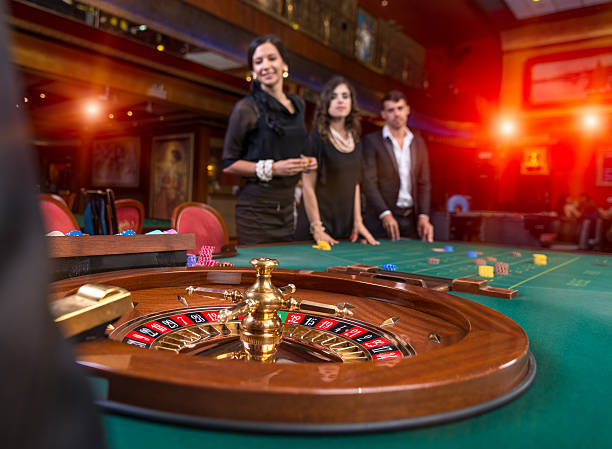
However, the social aspect can also complicate a gambler’s decision-making process. The desire to fit in or impress peers may push individuals to gamble beyond their financial means. They may feel compelled to match the betting levels of others or participate in games they wouldn’t normally choose, driven by a need for acceptance or validation. It raises important considerations regarding self-control and the impacts of group dynamics on personal choices. Understanding these social influences can offer deeper insights into why some individuals may develop problematic gambling habits, allowing for better preventive measures and support systems.
Emotional Escapism and Coping Mechanisms
For many individuals, gambling serves as a form of emotional escapism. Casinos offer a temporary reprieve from daily stressors, allowing players to immerse themselves in a world of excitement and potential. The allure of gaming can act as a distraction from life’s challenges, such as financial troubles or personal problems. This psychological escape can create a compelling reason for individuals to return to the casino, sometimes leading to excessive playing as they seek to recapture that feeling of exhilaration. The environment is designed to envelop players in sensory overload, further enhancing their desire to escape reality.
Individuals may also use gambling as a coping mechanism to deal with negative emotions. Whether it’s boredom, loneliness, or anxiety, these feelings can propel someone to seek solace in the casino environment. The brain releases dopamine during gambling activities, creating a pleasurable sensation that can momentarily alleviate negative emotions. This chemical response reinforces the behavior, making it difficult for individuals to recognize when their gambling has shifted from a form of entertainment to a reliance for emotional support. However, this reliance on gambling for emotional comfort can quickly spiral into a cycle of dependence, increasing the risk of developing gambling-related issues.
The quest for emotional relief showcases the psychological complexities of gambling behavior. It’s important to note that while some people are capable of gambling responsibly, others may find themselves ensnared by their emotions, leading to detrimental consequences. Understanding the connection between emotional states and gambling habits is vital for addressing issues related to gambling addiction and promoting healthier coping strategies. By highlighting the underlying emotional triggers, individuals can better understand their motivations and seek alternative ways to cope with life’s challenges.
The Role of Cognitive Biases
Cognitive biases are common in the gambling world and play a significant role in influencing behavior and decisions. Many gamblers fall prey to the “gambler’s fallacy,” the belief that past events can influence future outcomes in games of chance. For instance, a player may believe that if a particular slot machine has not paid out recently, it is “due” for a win, prompting them to invest more money in hopes of a payout. This flawed logic can lead to increased losses, perpetuating a cycle of chasing losses. Understanding this fallacy is crucial for gamblers who wish to make rational decisions rather than emotional ones.
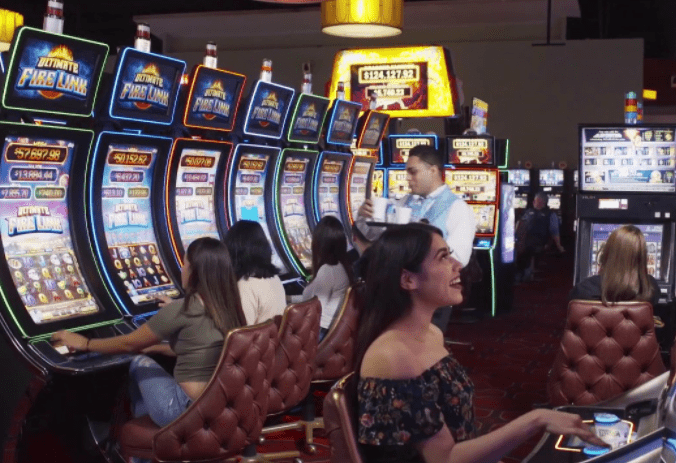
Another cognitive bias prevalent among gamblers is the illusion of control, where individuals believe they can influence outcomes through their actions, even in purely chance-based games. For example, players may feel they can affect the outcome of a dice game merely by their throwing technique. Such beliefs oversimplify the randomness of gambling and can lead to misguided strategies that may not have any real impact. This misguided confidence can result in significant financial loss, as players continue to bet based on these incorrect assumptions.
These cognitive distortions can significantly affect an individual’s betting patterns and overall gambling experience. Recognizing these biases is essential for gamblers seeking to make more informed decisions. By understanding the psychological underpinnings of these behaviors, individuals can develop better strategies to mitigate risk and foster a healthier approach to gambling. Education and awareness about these biases can empower gamblers to challenge their assumptions and make choices that are more aligned with reality, ultimately enhancing their gambling experience.
Promoting Responsible Gambling Practices
The immense allure of casinos and gambling can overshadow the importance of responsible gambling practices. As the understanding of gambling psychology deepens, so does the emphasis on promoting awareness and preventative measures against problematic behavior. Many casinos have implemented programs aimed at educating players on responsible gambling, including resources for self-assessment and strategies for limiting play. These initiatives are designed to foster a gambling environment that prioritizes player welfare while still allowing for entertainment.
These measures encourage individuals to set budgets, take regular breaks, and be conscious of their emotional states while gambling. By promoting a mindful approach to gambling, casinos can help players recognize when their behavior becomes problematic. Additionally, casinos often provide access to support systems for those who may develop dependence on gambling, emphasizing the need for guidance and assistance. This proactive approach not only benefits gamblers but also promotes a healthier overall casino environment, reducing the stigma surrounding seeking help.
Ultimately, fostering a culture of responsible gambling is essential for reducing the risks associated with gaming. By combining psychological insights with practical strategies, individuals can enjoy the entertainment value of casinos while minimizing potential harm. It highlights the importance of understanding one’s motivations and habits to ensure that gambling remains a fun and controlled activity. Education, awareness, and support are key components in creating a safer gambling landscape, allowing players to enjoy their experiences without jeopardizing their well-being.